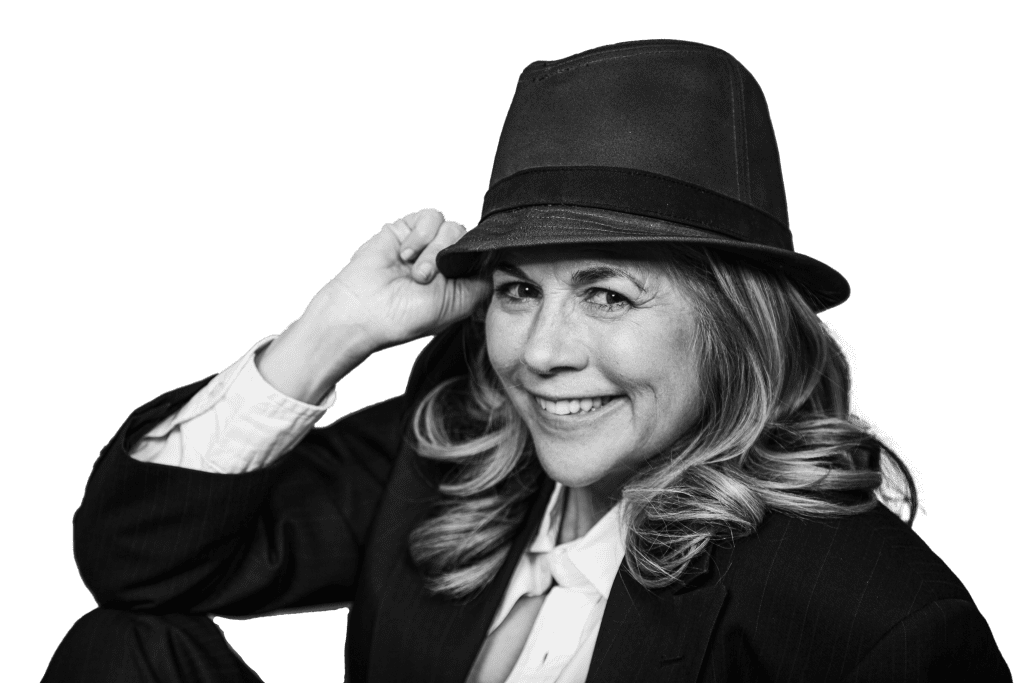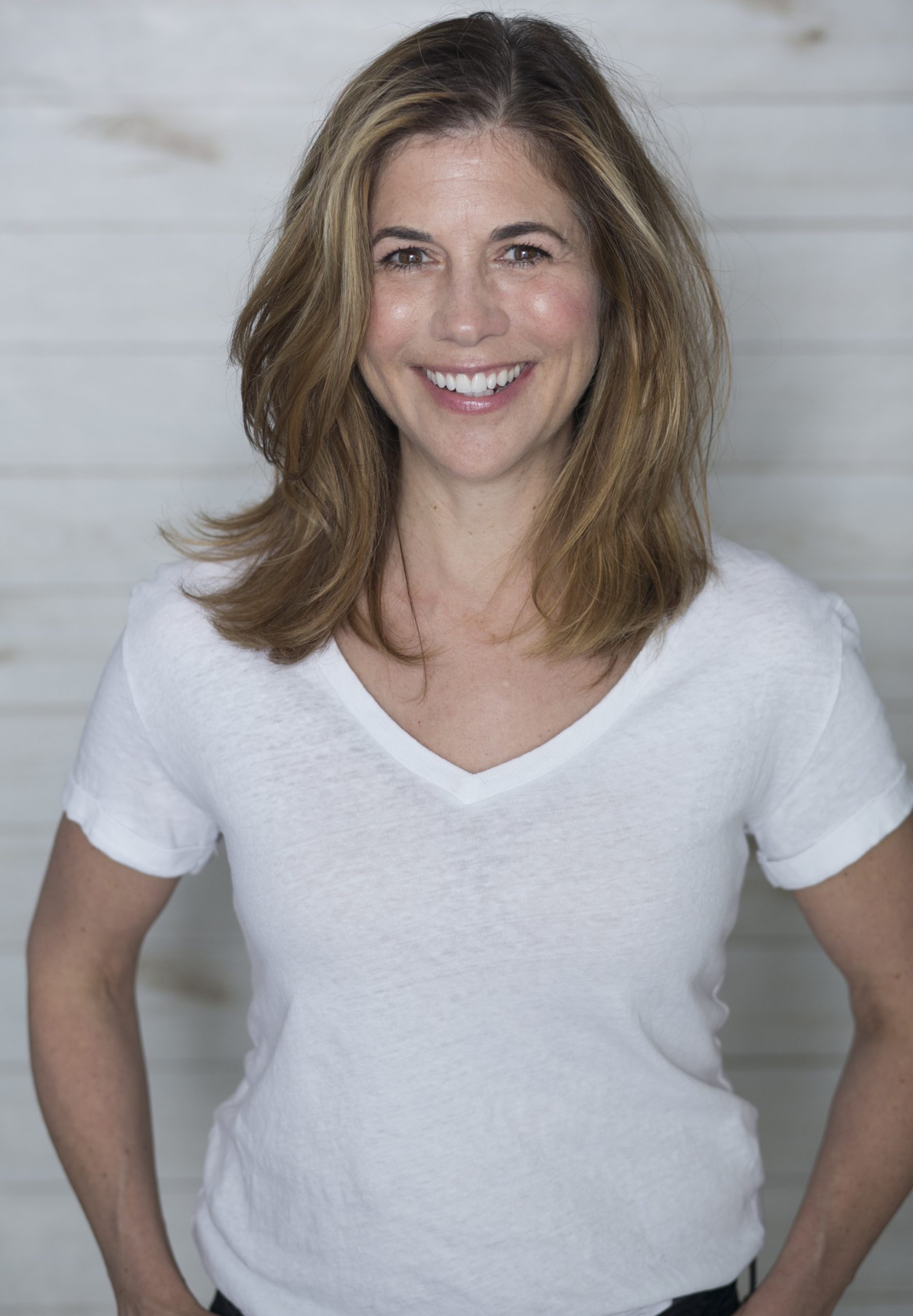
Mary Gallagher will tell you she’s “a comic, actor, and writer,” but that doesn’t really cover it. She’s a survivor of Midwestern discipline, a student of chaos, a quiet storm turned loud truth-teller. She’s also a working mother, an educator, a late-night TV comic, a Colbert alum, a voice in the room helping actors find their own voices. And she’s the kind of performer who can walk onstage and, without a script, build a moment that feels alive and electric — and entirely hers.


“I grew up introverted,” she says. “Not by choice. I was forced to be introverted.”
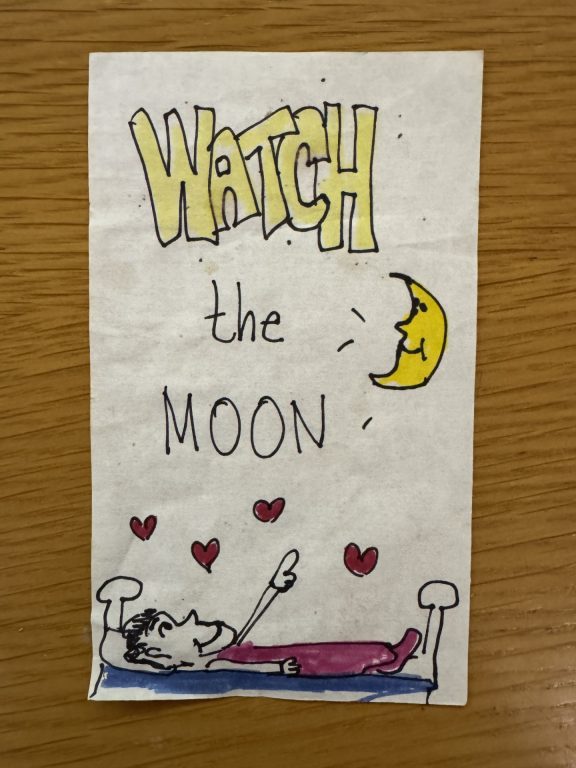
Mary was raised in Milwaukee, Wisconsin, in what she describes as a conservative household. Both of her parents are former Marines. Being funny, in that environment, was not really encouraged — at least not out loud. “I thought I was funny,” she says. “But I was not allowed to be funny. So I drew a lot of cartoons.”
It was her workaround. “My mom really liked the cartoons, so she’d let me be funny on paper, in the other room,” she says. She’d make her mother laugh with sketches and little visual jokes. It wasn’t necessarily about the creativity it was a bid for connection. “It’s such a standard story — trying to get a parent’s approval — but that’s exactly what it was. Trying to get my mom to pay attention.”
When Mary was just starting to come out of her shell when she left home for the University of Wisconsin, Green Bay and discovered theatre.



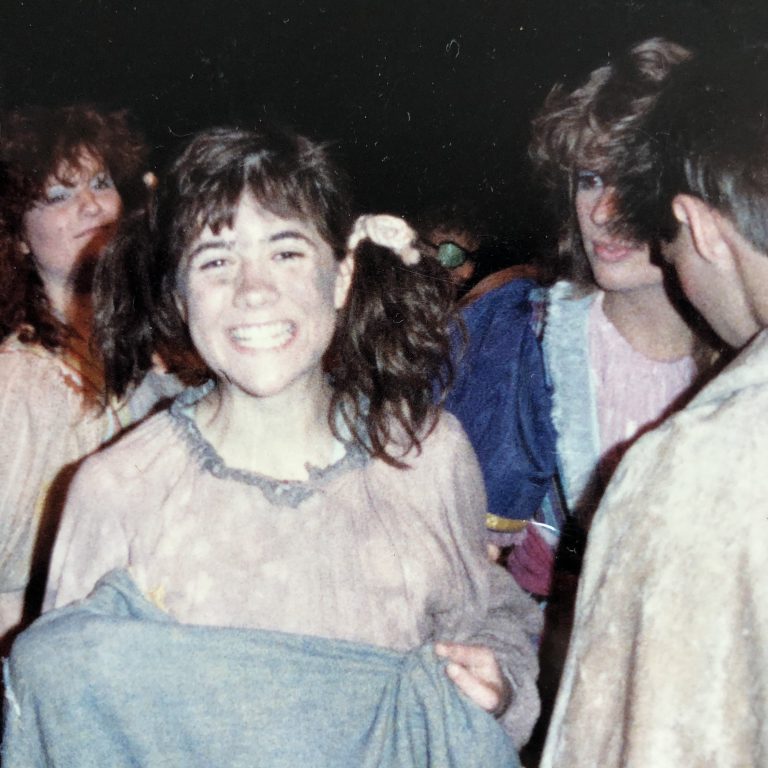
“I said, these people are really weird, I want in on this” So she became an actor but money was a problem. If you’re a college theater major, your days are in class and your nights are in rehearsal. There’s no time to work a normal job. So when she saw a listing for a singing telegram performer — good pay, in and out, fast — she went for it.
There’s one catch: “I don’t sing,” she says, deadpan.
But the owner never actually asked if she could.
So she invented her own version of the job.
Instead of singing, Mary built a whole character performance around whoever was being “telegraphed.” She’d call the buyer of the telegram and interview them for 45 minutes, gathering inside jokes, embarrassing habits, what their friends teased them about, what they secretly loved about them. Then she’d walk into a bar in character — sometimes as a cop, sometimes as Marilyn Monroe, sometimes a banana — and stage an ambush roast.
“I’d come in like, ‘Where’s James Thompson? I’ve got an arrest warrant for him,’” she says. “Then I’d handcuff him to the bar, take his beer, drink it, spit it out, and just take the stage.” She’d perform a custom, precision-targeted takedown of this guy in front of his friends and family. “Nobody cared that I wasn’t singing,” she says. “They were too busy laughing.”
That was her first taste of live comedy: high-risk, high-contact, immediate.
“I realized, ‘Oh, I’m really good at this.’”
From there she built a two-woman act in Green Bay. The duo did lip sync sets in gay bars — “way before TikTok,” she says — and started winning contests. That momentum led to a booking that sounds like a dare: opening for Sam Kinison in 1988. “Absolutely the wrong room for two young women,” she laughs. “But I learned. I just kept learning.”
After college, the move was obvious: Chicago.
Chicago meant Second City. Second City meant sketch and improv. Improv meant permission — permission to experiment, to say something insane and then justify it, to fail and survive it. It also meant meeting the first real creative lifeline of her career, a fellow performer and writer named Michael Markowitz.
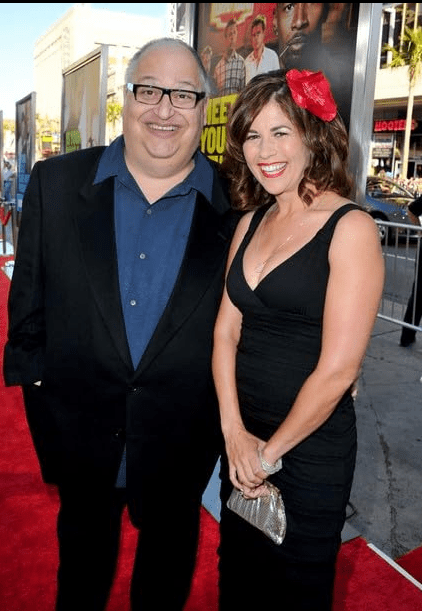
Markowitz eventually moved to Los Angeles to write professionally (he would go on to co-write “Horrible Bosses” and work on the animated cult series “Duckman”). He called her and said, essentially: You need to get out here. You belong here.
So she did. Thirty-plus years ago, Mary Gallagher packed up and came to Los Angeles knowing one person.
From that one person, she met another. And another. “That’s how it works,” she says. “That’s how you build a life.”
She started booking. Commercials. TV. Voiceover. One of her earliest notable breaks was a guest role as “Tilly” on Friends. The way she even got in the room is perfectly Mary: she was dog-sitting the producer’s dog. “That’s not how I got the part,” she clarifies, “but it is how I got the audition.” She laughs. “I’ve always worked. I’ve always hustled.”
And she never stopped doing standup.
“I’ve carved out a life here,” she says. “Got married, got divorced, raised my daughter, kept performing. I stayed in it.”
Her daughter grew up in Burbank, in and around sets and comedy clubs. “Sometimes I couldn’t get childcare,” Mary says, “so she just came with me. She’d sit through auditions. Sometimes casting would ask, ‘Can we use your daughter to play your daughter in the commercial?’ And I’d say, ‘Sure, let’s put that toward college.’” Her daughter, now 20 and studying pre-law, grew up thinking it was normal to watch Jim Gaffigan’s ‘Hot Pockets’ bit on YouTube every night while eating an actual Hot Pocket because she had just met Jim Gaffigan. “That was just Tuesday in our house,” Mary says.
Burbank, for Mary, wasn’t just a ZIP code. It was stability. “I moved to Burbank for the schools,” she says. “I wanted my daughter here. I loved that you could live right next to the entertainment industry, but not in it. People think ‘beautiful downtown Burbank’ is just a joke from Carson. But to me, it feels like a village.” She pauses. “I feel really lucky to live here.”
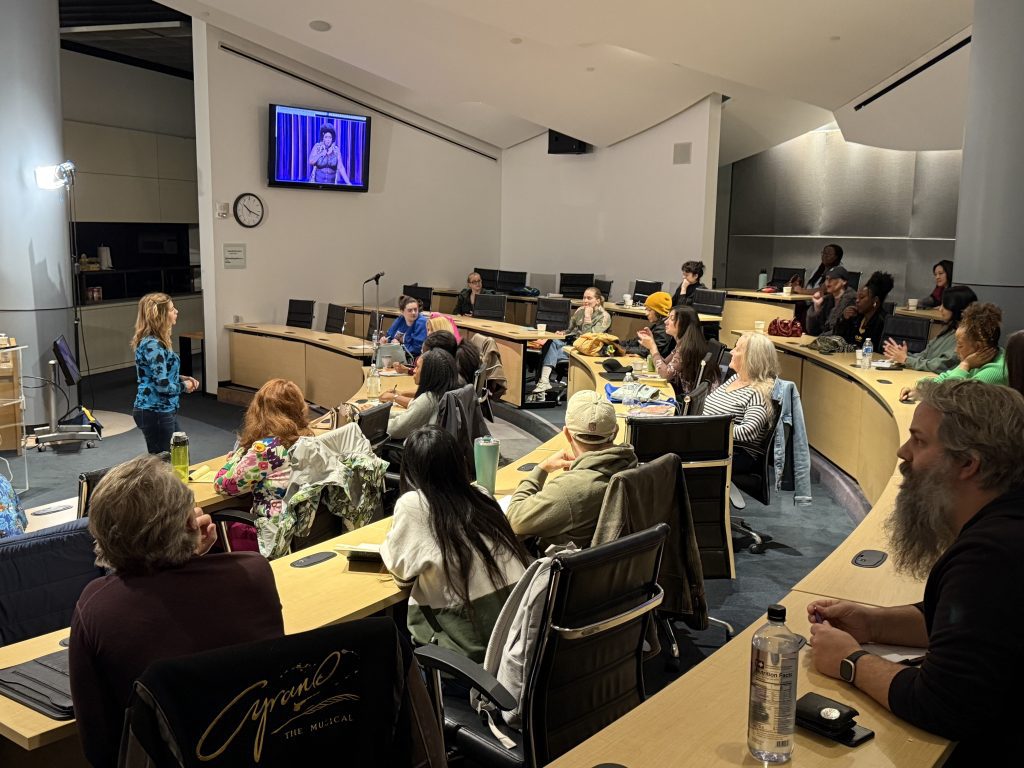
In recent years, Mary’s work has taken a turn. She’s still a comic. She’s still an actor. She’s still writing and performing. But now she’s also teaching — and not just how to write a joke, but how to survive yourself.
She began running workshops through SAG-AFTRA’s continuing education program, initially pitched as “standup as wellness.” Actors would come in, she says, not necessarily to “become standups,” but to confront fear. To find voice. To turn their own story into material on their own terms.
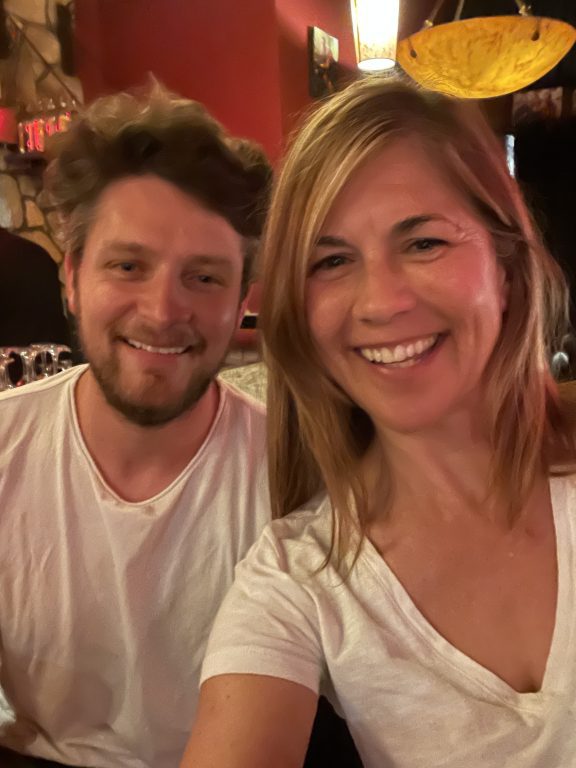
“I love working with actors,” she says. “I love when standup and acting and the self all start to merge.” She’s helped people build five-minute sets, coached them through their first open mics, even prepped actors for film roles. Recently she worked for months with an actor playing a standup in an upcoming romantic comedy, taking him to mics, shaping his material, walking him through that particular terror. “He did great,” she says. “I asked if he’d ever do standup again. He said, ‘Oh God, no.’ I was like, ‘Perfect.’”
For her, comedy is no longer about polish. It’s about presence.
“I used to think standup was about crafting jokes and memorizing routines and being clever,” she says. “That’s completely changed. Now, it’s about being in the moment. Truly being in the moment. Letting go of control.”
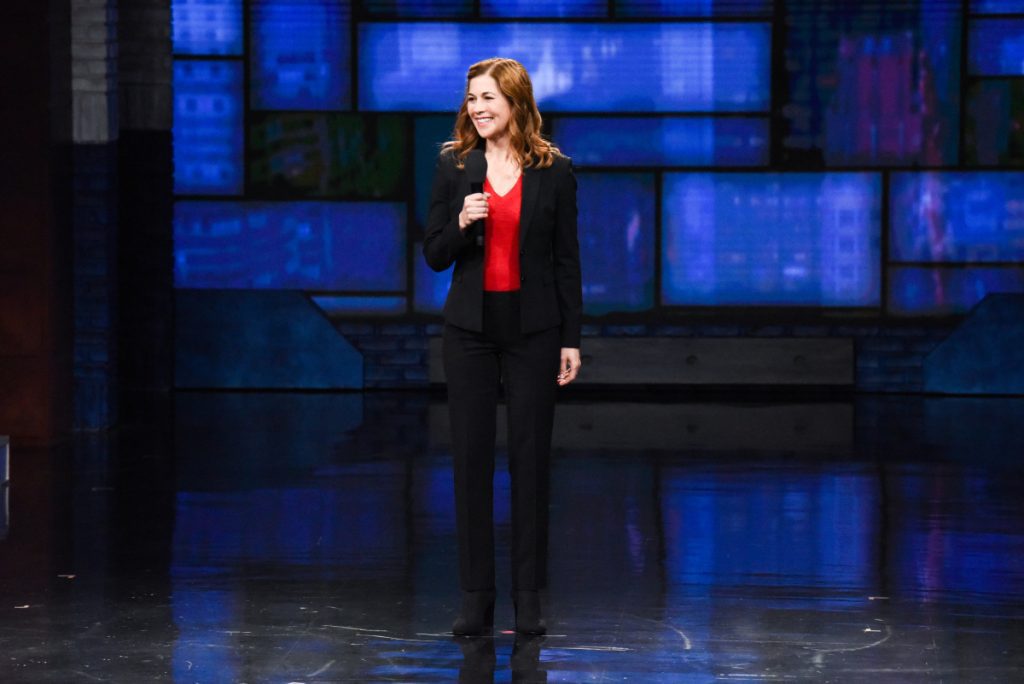
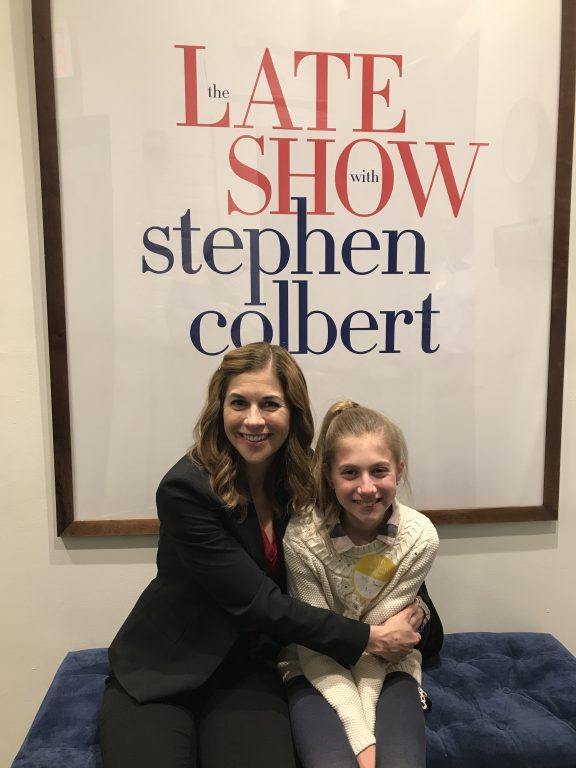
She used to white-knuckle it. She’d write tight, she’d rehearse, she’d go up there and deliver. She climbed the traditional ladder: host → feature → headliner → late night. She landed a set on The Late Show with Stephen Colbert. She taped a Dry Bar Comedy special. She hit the career markers you’re “supposed” to hit.
But all along, she says, something was missing.
“I didn’t really know me in comedy,” she says. “I’d have these flashes where I felt totally free onstage, where I was just alive in the moment, and I’d think, ‘Wow, that felt amazing.’ And then I’d go, ‘Okay, forget that. Go back to the plan.’ Now I understand — no. That was everything.”
The shift, she says, is personal and it’s late. It came after marriage, after motherhood, after divorce, after burning herself out being the ‘good girl,’ the caretaker, the people-pleaser. “Once I woke up to that,” she says, “it was like: Oh. I’ve been editing myself my entire life.”
Today, what matters to her onstage is not whether a joke is ‘perfect.’ It’s whether it’s honest. Whether it’s alive. Whether she’s actually there.
“When I feel whole, I don’t care what anyone thinks,” she says. “And it makes everything so much more real and so much more electric.”
She laughs and corrects herself. “I used to think ‘not giving a shit’ meant being unprofessional — showing up late, making everyone wait, blowing off the job. That’s not what I mean. What I mean now is: I care about the work, I care about the people I’m working with — but I don’t care if you approve of me existing. That part, I’m done with.”
Mary is, in a word, opening.
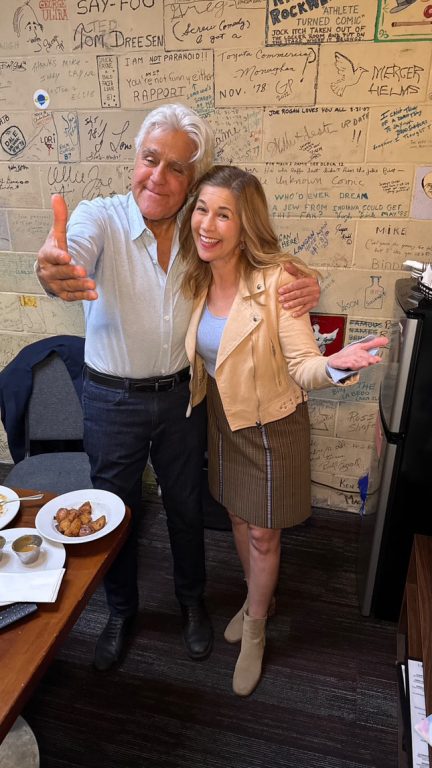
She’s teaching. She’s studying. “For the last week I’ve just been binging Richard Pryor,” she says. “I’m calling people going, ‘Did you know this?’ And they’re like, ‘Yes, Mary. Welcome to 2025.’” She’s listening to Wayne Fetterman on standup history. She’s talking shop with Jay Leno and Jimmy Brogan. She’s asking questions.
It’s not nostalgia. It’s appetite.
“I’m absorbing everything,” she says. “I’m opening up to all of it.”
And even after three decades in Los Angeles, she still feels new here.
“Every day I wake up and I feel like I just got to L.A.,” she says. “Like I’m starting over. And I kind of love that.”
She smiles. “I think that’s the whole point.”
Originally published in The Burbank Bla Bla – Living Arts magazine