I treated every CS2 inventory decision like a mood decision for a long time. If a skin bored me, I moved it. If a price jumped, I panicked. That approach cost me value because the wrong move at the wrong time adds up fast.


Why the Choice Matters
Bad decisions have cost me 20-30% of an item’s value sometimes. Losses have come from rushing into trades, ignoring fees, accepting weak offers, or selling a skin that had better demand than I realized.
When I compare a CS trade option against a direct sale, I start with the same question every time: “Does this item help me build a better inventory, or does it just need to leave the account?” That question keeps emotion out of the first step.
When I Trade
Trading makes sense when the skin still has utility inside my inventory. I trade when the item has appeal, sits in a crowded category, or can help me get toward a more focused loadout.
Old Inventory Pieces
An item I have held for months gets reviewed differently from a new pickup. Time gives me enough match experience to know whether the skin still feels good or has become visual clutter. If the price is stable and the skin still has demand, I place it into a trade shortlist. The goal is to turn unused value into something that improves the setup, not to chase a random upgrade.



Oversaturated Categories
Too many skins in one category make the inventory messy. Five AK-47 skins, four AWP skins, and several unused pistols create value that looks good on paper but does little in actual gameplay. When one category gets crowded, trading helps consolidate. I prefer one rifle I enjoy every match over three similar rifles that sit unused.
Trade-Up Ladders
Some skins belong in a ladder. A Field-Tested AWP | Neo-Noir with a strong float and good artwork works well as trade value when I want to move toward gloves, a knife upgrade, or a more expensive Covert rifle. 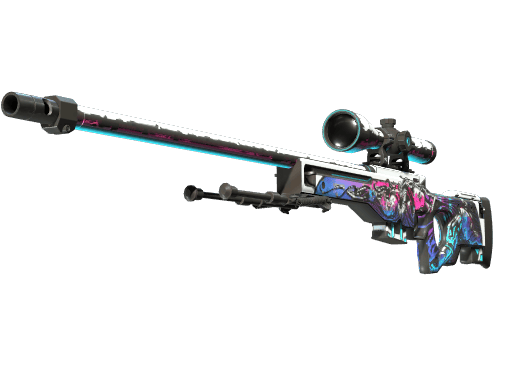
I check float value, exterior, sticker placement, and recent demand before choosing this route. A clean item with broad appeal works better than a niche skin that needs the perfect buyer.
When I Just Sell
Selling is the better route when the item is liquid, the value gap is fair, or the inventory needs cash rather than another skin. This is where discipline matters most.
High-Liquidity Skins
Liquid skins are easier to sell because buyers recognize them fast. Popular AK-47, AWP, M4A1-S, USP-S, and Desert Eagle skins tend to move faster than obscure, low-demand items. For these items, a direct sale gives cleaner inventory control. If the spread is acceptable, holding out for a slightly better trade wastes time and attention.
Cash-Out Needs
Some decisions are simple. If the goal is cash outside the skin market, selling is the route. Trading keeps value inside the inventory, which does not help when the point is to reduce exposure. I check sale price, fee impact, withdrawal method, and timing before moving anything. A fast sale at a weak price still hurts if patience would have closed the gap.
Emotional Attachments
If a skin feels hard to sell because of memory, rarity, or a lucky match, I treat that as a warning sign. Emotional attachment makes me overprice the item and reject reasonable exits. When that happens, I stop looking at screenshots and focus on use. If the skin is not part of my current loadout and does not serve a trade path, selling clears the mental noise.
The Platform That Made This Practical
DMarket became useful in my process because it places exchange and instant-sell options inside one account. That lets me compare between them without switching systems every time.
Exchange View
The exchange side helps when the goal is consolidation. I can compare possible swaps, check how much value needs to be added, and see whether the next item actually improves the loadout. This is useful when moving several mid-tier pieces toward one stronger item. It keeps the decision tied to inventory structure instead of impulse browsing.
Instant-Sell View
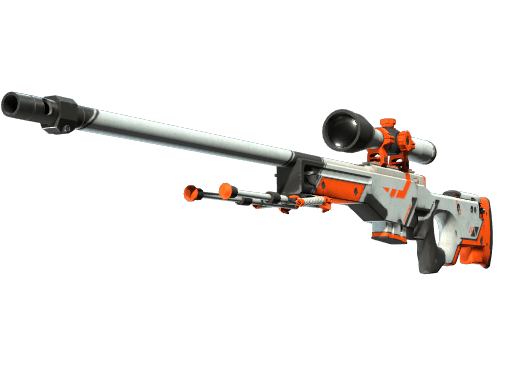
The instant-sell side helps when speed matters more than squeezing every last dollar from a listing. I use it for items that no longer fit the plan or skins with weak trade appeal. The price still needs review. If the instant price for a liquid skin like AWP | Asiimov Field-Tested is too far below realistic market value, I wait or list elsewhere. If the gap is fair, I take the clean exit.
My Final Check
Before taking action, I note the item, current market range, float, stickers, lowest realistic sale price, and acceptable trade target. If liquidity is weak, sticker value is unclear, or demand is moving against the category, I hold instead of reacting to a red chart or a tempting offer.