There are buildings that are constructed from blueprints, steel and concrete. And then there are places built from something less tangible: determination, imagination and an almost unreasonable belief that the work matters.


The Victory Theatre Center in Burbank belongs firmly in the second category.
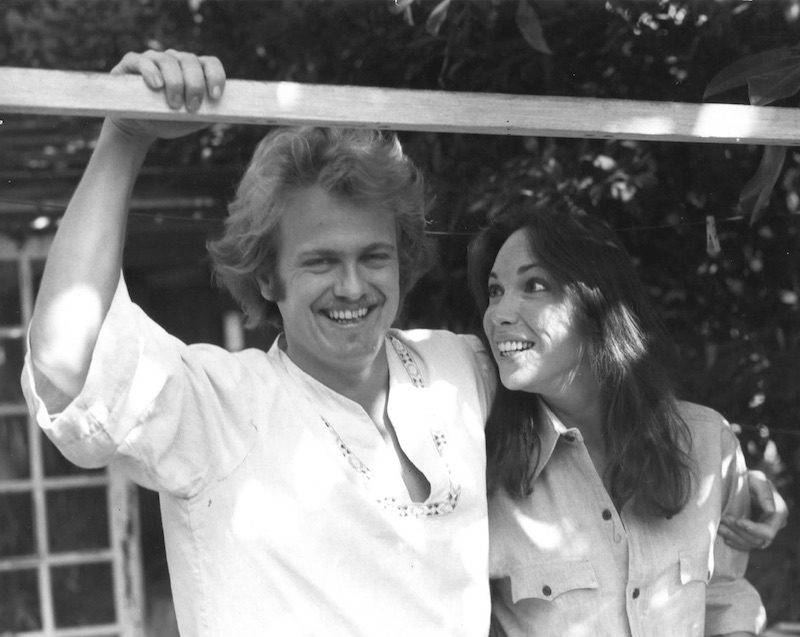
When Maria Gobetti and Tom Ormeny began their journey together, they were not setting out to create a landmark. They were actors and teachers who believed deeply in the theater and in the power of new American plays. In 1970, they formed a small acting studio in Hollywood with a simple ambition—to develop an ensemble capable of presenting new work. Nearly a decade later, that ambition found a permanent home on Victory Boulevard.
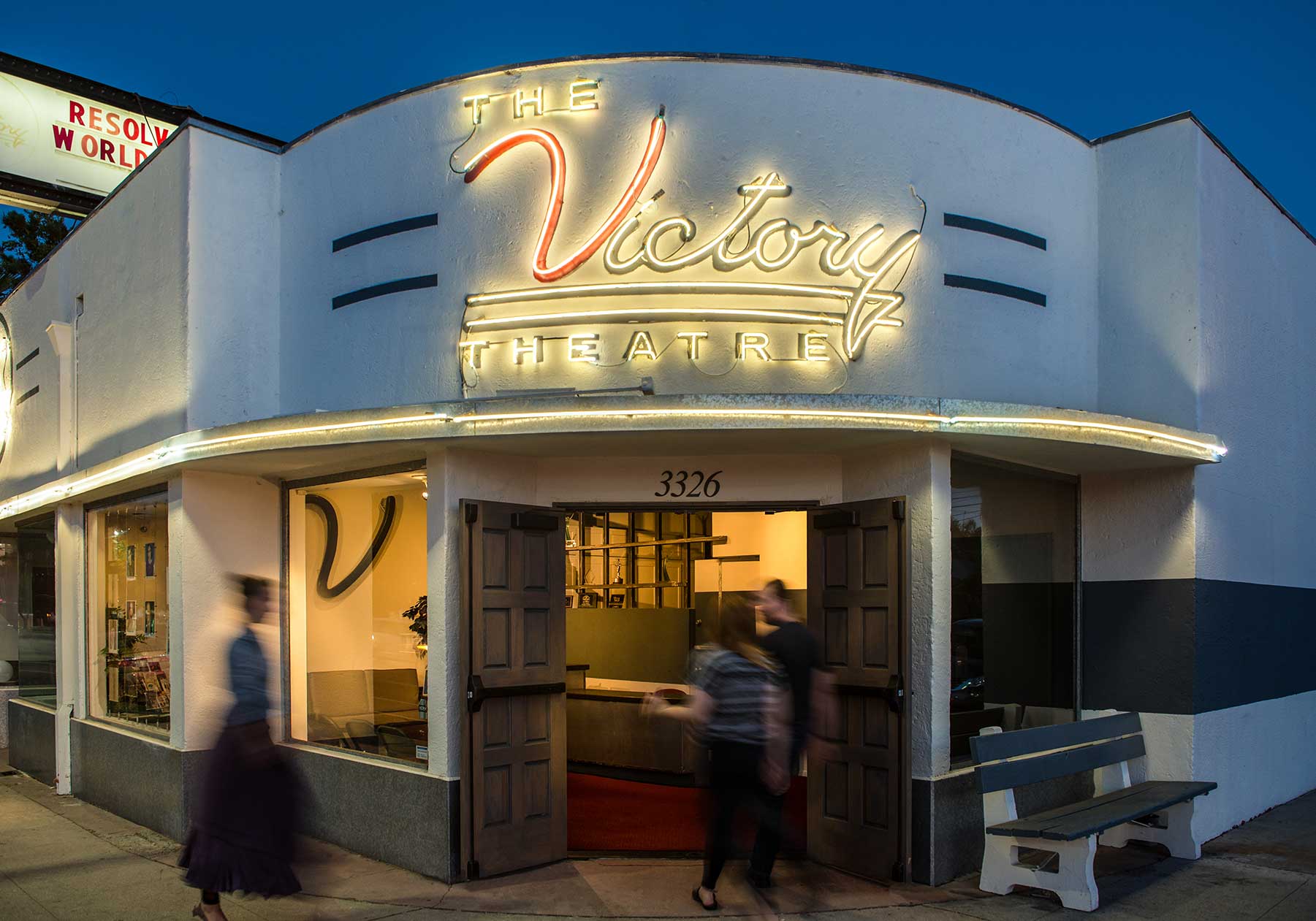
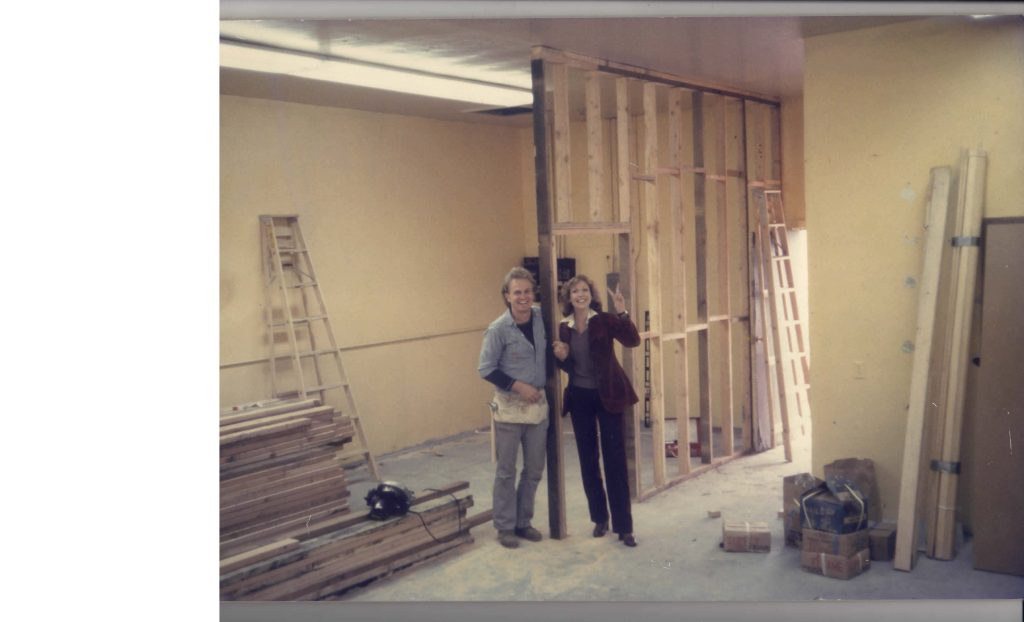
In the spring of 1979, the Victory Theatre Center opened its doors at 3326 W. Victory Boulevard. Tom, an accomplished carpenter and handyman, helped build the theater himself, working alongside theater artists and student volunteers. The result was a two-stage complex: a 92-seat main theater and a smaller 48-seat space devoted to classes, readings and works in progress.
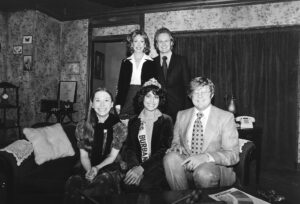
The theater’s first production was Beth Henley’s The Miss Firecracker Contest, directed by Gobetti. The production was an extraordinary beginning. It sold out for three months, earned recognition from the Los Angeles Times, and eventually moved on to Broadway and a major motion picture.



There was another remarkable connection. Henley had written Crimes of the Heart while studying acting in Gobetti’s classes. That play would win the Pulitzer Prize for Drama in the same year the Victory Theatre opened.
For Gobetti, however, the theater’s significance has never been measured simply by awards.
It has always been about the people.
A Theatre Built by Hand
Gobetti grew up in Baltimore, Maryland, and discovered acting early. Her childhood was complicated, and theater became a place where she could escape into another world. She remembers one of her first performances—a little mouse in a children’s production—and the sensation of completely disappearing into the role.
That ability to become fully present inside a character eventually became central to her teaching.
Gobetti trained in the Meisner tradition and continues to teach its fundamentals, while developing a warmer, personal approach of her own. For her, acting isn’t about trying to become famous. It is about listening, responding and allowing something genuine to happen in the moment.
That philosophy became inseparable from the Victory.
When she and Tom first began looking for a permanent theater, the process was anything but glamorous. Their earlier studio had a leaking roof, and the landlord was unwilling to repair it. Tom finally suggested they start a theater of their own.
They found the Victory building and signed the lease.
Then they heard the airplanes.
Gobetti remembers hearing the first aircraft overhead and thinking she might faint. Tom reassured her that everything would be fine. He was right. He soundproofed the building, turning what initially seemed like a potentially disastrous problem into just another obstacle to solve.
That was Tom’s way.
The theater was built through improvisation, persistence and countless acts of practical problem-solving. At one point, while the couple was still working as actors and taking whatever jobs were necessary to keep the project alive, Tom needed money quickly to expand the theater. Gobetti landed a commercial that paid $10,000—an unexpected windfall that helped make the next step possible.
It was, she says, serendipity.
The Home of New American Voices
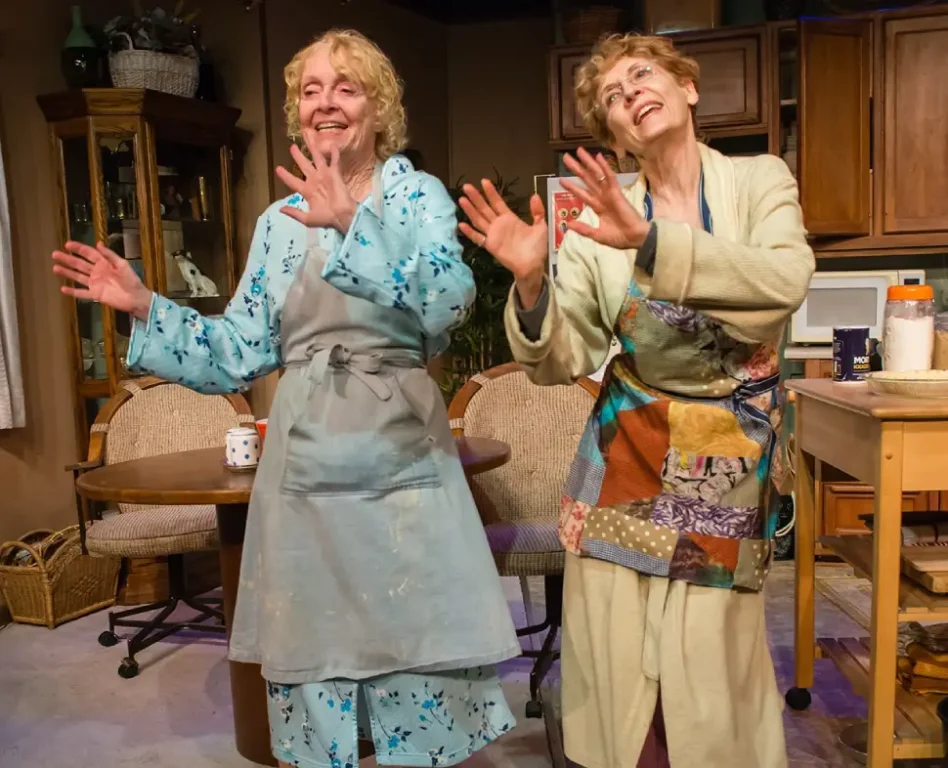
From its earliest days, the Victory established a distinctive identity: a theater devoted to original American plays.
That commitment was unusual then and remains important today.
More than 80 percent of the theater’s productions have been previously unproduced plays, and its history includes more than 85 workshops giving playwrights an opportunity to develop their work before facing an audience.
The list of artists and productions connected to the Victory is remarkable. Plays such as On the Money, T Bone ‘N Weasel, Talking Things Over With Chekhov and The Steven Weed Show went on to receive major recognition or travel beyond Los Angeles. T Bone ‘N Weasel became a television movie. Talking Things Over With Chekhov moved Off-Broadway. Other Victory productions reached festivals and stages as far away as Edinburgh.
The theater’s philosophy has remained consistent: small in physical scale, ambitious in content.
Gobetti describes it simply. The Victory wants to present work that has something to say about the human condition—comedies as well as dramas, but plays that can move an audience and make people think.
That reaction is one of the things she values most.
She loves seeing audience members linger in the lobby after a performance, debating what they have just experienced.
“Did you hear that?”
“I don’t agree with this.”
“I do agree with that.”
For Gobetti, that conversation is evidence that theater has done its job.
A Family of Artists
Over the decades, the Victory became something more than a theater. It became a kind of extended family.
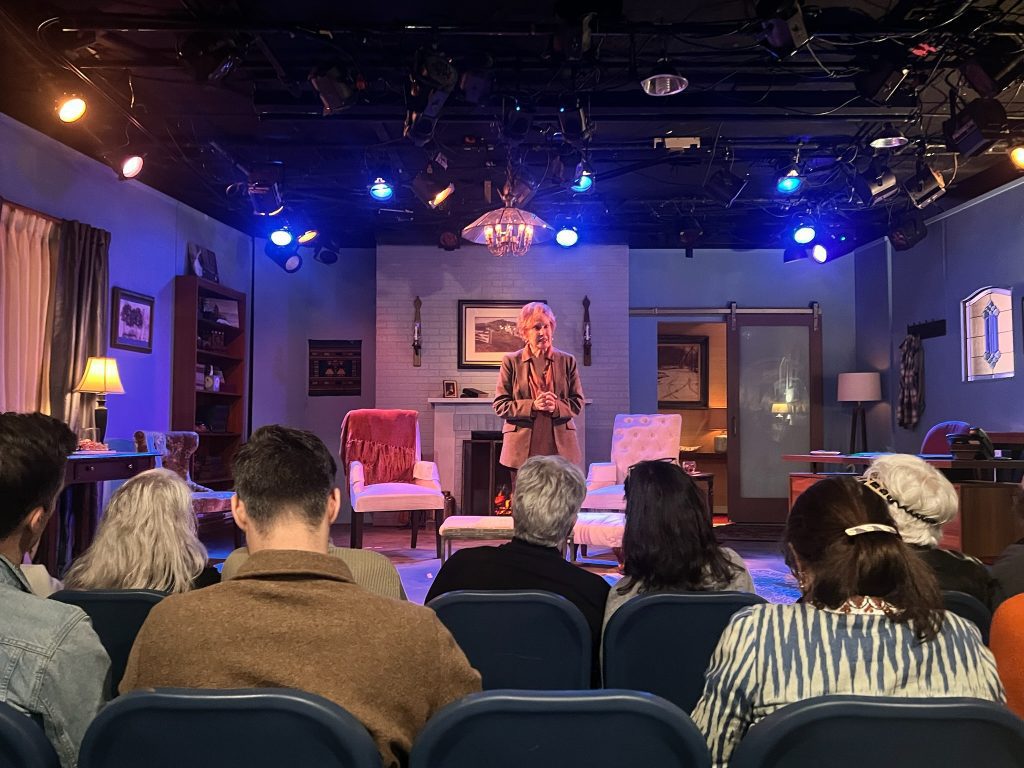
Gobetti and Ormeny taught generations of actors, some of whom went on to prominent careers. Among those connected to their classes and theater work were Gregory Hines, Bob Hays and other performers whose careers carried them into film, television and major theatrical productions.
Gobetti still teaches at the New York Film Academy and conducts private classes. Teaching remains one of her great loves.
But her relationship with the Victory changed profoundly three years ago when Tom died.
They had been married for 54 years.
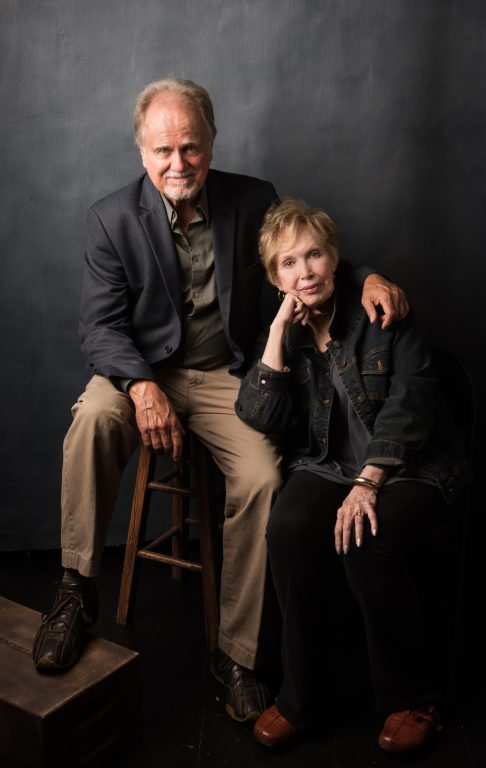
“He was my partner,” she says in essence, describing a relationship that was both personal and artistic. His final request was that she continue the work.
So she did.
The transition has not been easy. Along with directing, teaching and developing productions, Gobetti suddenly found herself dealing with the practical responsibilities Tom had always handled—air conditioning, heating, roofs and the endless maintenance required to keep an old theater alive.
She admits she never gave him enough credit for all of it.
But the work continues.
Burbank’s Creative Stage
When the Victory first arrived in Burbank, Gobetti remembers that the theater had to earn its place. Audiences were more accustomed to familiar titles and safer choices. The Victory was presenting original plays—often challenging, sometimes risky material.
Over time, however, Burbank changed.
Today Gobetti sees the city increasingly embracing its identity as an arts and entertainment center. The studios are nearby. Other theaters and creative organizations have grown around it. A younger generation has moved into the community, and the audience for adventurous work has expanded.
The Victory now draws theatergoers from across Los Angeles, including the Westside, Culver City, West Los Angeles and Glendale.
Its intimate scale is part of its appeal.
A Victory audience isn’t separated from the performers by the enormous distance of a commercial theater. The actors are right there. The story is right there. There is nowhere to hide.
And that, Gobetti believes, is precisely why live theater will survive.
There is simply nothing else quite like it.
The Next Act
Keeping an independent theater alive is increasingly difficult. Production costs are substantial, while ticket prices must remain accessible. A small theater cannot simply charge Broadway prices to cover its expenses.
The Victory has responded by exploring grants, partnerships and co-productions—new approaches for an institution that spent decades largely producing on its own.
Gobetti is also developing future projects, including Florists, Stonewall’s Bouncer and Stephen Lee Morris’s Flight, while continuing readings and special programs.
She misses directing full productions.

It is, she says, her real passion.
And perhaps that is the most revealing thing about Maria Gobetti after nearly five decades at the Victory. She is not speaking about the theater as an institution that has reached its conclusion. She speaks about it as something still becoming.
The numbers tell one story: more than 104 productions, dozens of honors, and a long list of playwrights whose work began on this modest Burbank stage.
But the deeper story is less measurable.
It is the actor who finally discovers how to inhabit a character. The playwright hearing new words spoken aloud for the first time. The audience member walking into the lobby afterward, already arguing about what the play meant.
Tom and Maria built the Victory with their own hands.
Today, Maria is carrying it forward.
The building remains on Victory Boulevard, surrounded by a city that has increasingly recognized its creative character. Inside, the lights still come up, the audience gathers, and another story begins.
Forty-six years later, the Victory Theatre remains what it was meant to be from the beginning:
A place for new voices.
A place for artists.
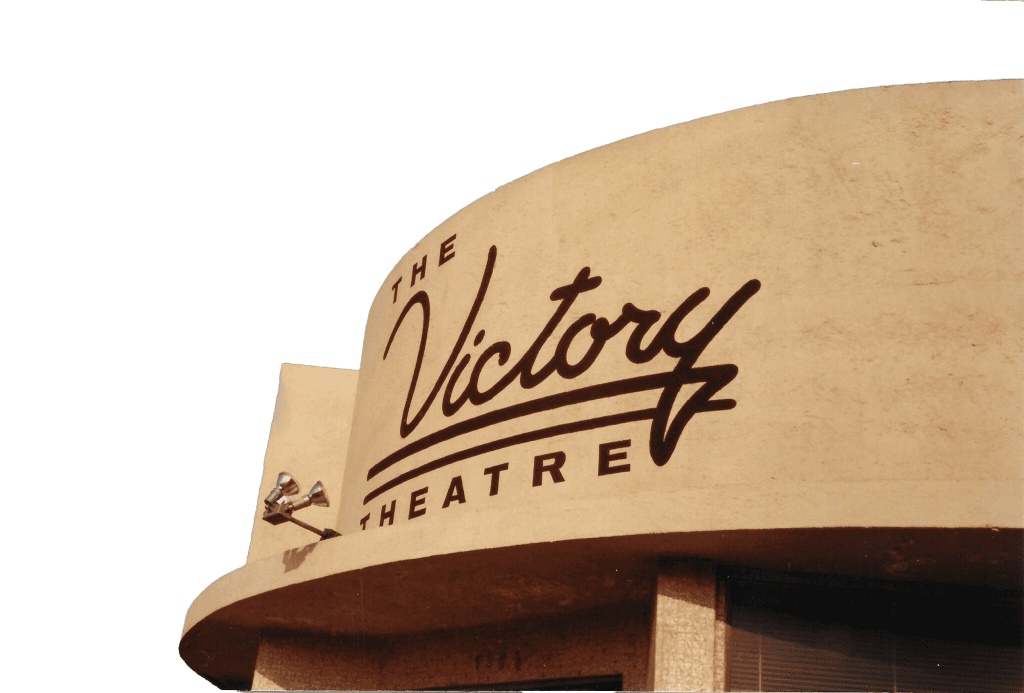
And, above all, a place where theater is still alive.
Originally Published in www.theburbankblabla.com