Before SMILE…the Worst is Yet to Come makes its West Coast premiere at the iconic TCL Chinese Theatre, part of its story begins in Burbank. From the storefronts of Magnolia Park, outside familiar neighborhood murals, inside a local gym, and even within the walls of a family home, this film came to life in our city.


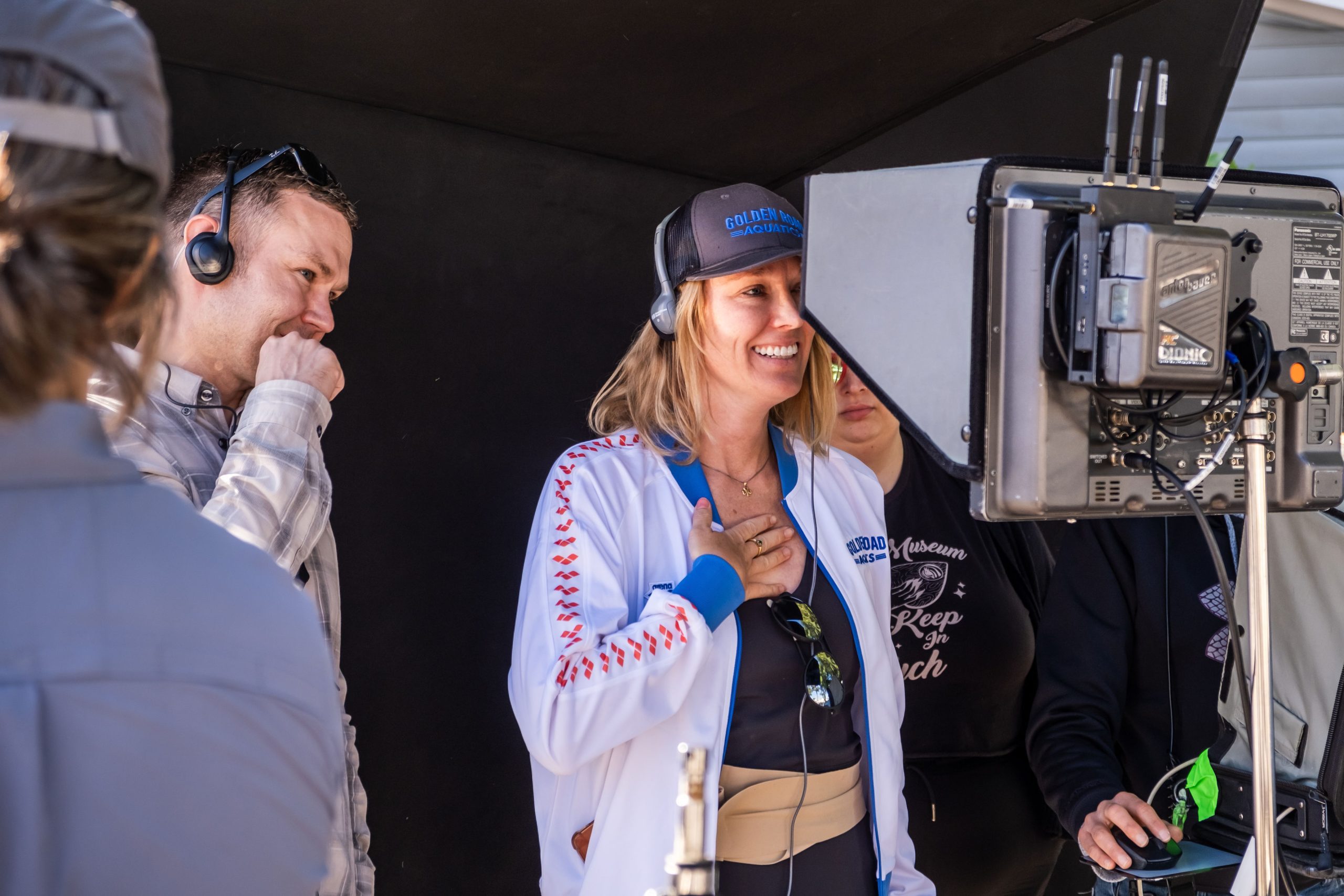
The debut feature film from director and producer Chloe Lenihan will screen as part of Dances With Films LA, giving the Burbank-based filmmaker a full-circle Hollywood moment after years of creative work, early-morning writing sessions, fundraising, and a deeply personal independent filmmaking journey.
For Lenihan, Burbank was never just a backdrop. It was part of the film’s identity. “I live in Burbank and have developed a real community here,” Lenihan said. “My mom and I own Junk for Joy, a vintage shop that’s been part of Magnolia Park for more than 35 years, so I’ve experienced firsthand how this community shows up for its neighbors.”
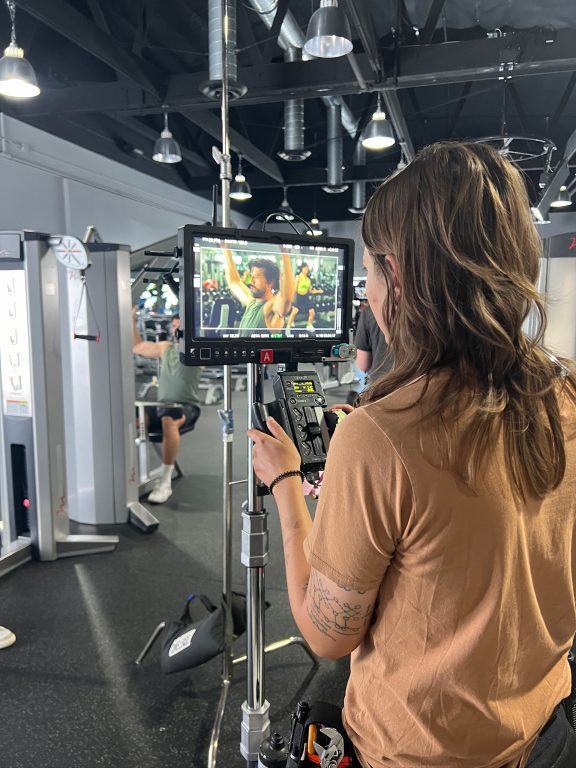
That community support became a meaningful part of the filmmaking process. Local businesses including Bell Cottage, Worshipwalk Church, The New Deal, and FunXional Fitness opened their doors to the production, helping Lenihan and her team create the world of the film. “It truly felt like the whole neighborhood was rooting for us,” she said.
SMILE…the Worst is Yet to Come follows Ben and Birdie, an L.A.-based couple struggling under the weight of personal and professional losses. After Ben closes his business in the aftermath of COVID-19 and Birdie endures repeated IVF failures, the couple reach a breaking point. Hoping to reconnect, they retreat to Big Bear Lake for a weekend getaway, only to have their fragile attempt at romance disrupted by two young social media influencers, January and Jerek. What begins as a retreat turns into a revealing night of storytelling, cocktails, and uncomfortable truths.



The story explores marriage, infertility, career disappointment, grief, creative ambition, influencer culture, and the millennial pressure to appear as though everything is working out, even when life is quietly falling apart. “At its core, SMILE…the Worst is Yet to Come is about two people trying to hold their lives together while quietly wondering if they’re the only ones falling apart,” Lenihan said.
While much of the emotional journey unfolds in Big Bear, the film’s first act is rooted in Burbank. Lenihan said she was drawn to the city’s unique ability to feel both specific and universal. “I also love that Burbank has such a distinct personality while still feeling relatable,” she said. “Whether you grew up in Burbank or halfway around the world, the neighborhood feels familiar. That helped us create a world audiences can easily connect with and see their own lives reflected. In many ways, the locations became like characters in the film.”
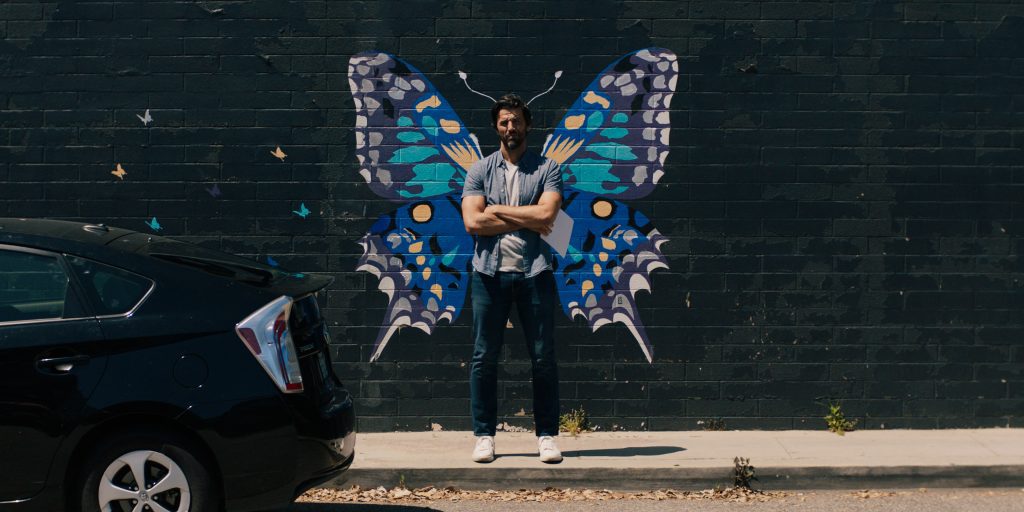
Local audiences may recognize several Burbank “Easter eggs” throughout the opening scenes. The side entrance of Bell Cottage on Lima Street, next to Black Elephant Coffee, was used for an early joke involving a failed speakeasy. Worshipwalk Church’s parking lot doubled as a doctor’s office parking lot, while the butterfly mural outside The New Deal became a visual symbol of transformation.
FunXional Fitness on Verdugo was used to establish one of the film’s characters, and viewers familiar with Magnolia Park and Bel Aire Drive may find themselves pointing out recognizable locations. “I think Burbank audiences will enjoy playing a little game of ‘I know exactly where that is’ while watching the first 10 minutes,” added Lenihan.
One of the film’s most important locations was much more personal. Lenihan’s mother, Kathleen, offered her house up which became what she calls the production’s “MVP location.” It was transformed into about eight different settings for the film and it was where the cast and crew spent the first three-and-a-half days of filming. Looking back, Lenihan said the experience helped set the tone for the entire shoot. “It didn’t feel like people were showing up for a gig, rather it felt like the beginning of a real ‘film family,’” she said.
After wrapping each day, crew members would stick around, share beers from sponsor Golden Road, and get to know one another. Meanwhile, Lenihan’s mother embraced the moment fully “My mom was in peak ‘mom mode,’ pulling out baby photos and embarrassing high school pictures of me for anyone willing to look,” Lenihan said. That family atmosphere continued throughout the production and became one of the things Lenihan remains most proud of.
For Lenihan, directing a feature film was the culmination of a dream that started in childhood. She has been acting since she was seven, worked for an Oscar-winning producer, earned an MFA from Columbia, and spent years writing, directing, producing shorts, web series, and supporting other people’s projects. Eventually, she decided she could no longer wait for the perfect moment.
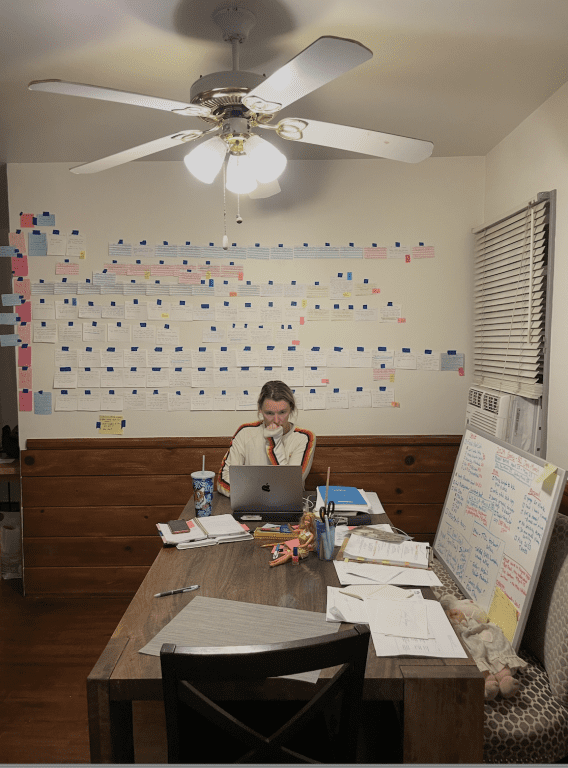
“I just got tired of waiting for the ‘right time’ so I bulldozed my way into making this feature debut happen,” she said. That determination carried her through a demanding season of life. During pre-production, Lenihan was teaching middle school full time and working weekends at Junk for Joy. She would wake up at 5 a.m. to swim with her masters team at the Verdugo pool or use that early morning time to write. After full days of teaching and tutoring, evenings were spent on production planning. Weekends became a mix of store shifts, fundraising, script work, investor outreach, and team building.
The film’s emotional terrain is heavy at times, touching on infertility, grief, loss, stalled dreams, and the quiet disappointments that can build inside a relationship. But Lenihan said humor was always essential to telling the story honestly. “Humor is how people survive heaviness,” she said. “I like to lean into the messiness of real life because grief and laughter often exist in the same breath.”
That balance is central to the film, which looks at the pressure many millennials feel to “have it all” with a career, kids, stability, homeownership, and personal fulfillment, while also asking what happens when that old definition of success stops working.
For Lenihan, who describes herself as someone who grew up in the analog 1980s and 1990s and entered young adulthood in the digital age, those questions feel personal. “Now, I’m on the other side of 40 and still working on that checklist,” she said. “The film asks, ‘how do we actually define success when the old definition stops working?’”
The film also earned the ReFrame Stamp for gender-balanced hiring, a recognition that reflected Lenihan’s priorities from the beginning. She said her values were shaped by being educated in environments rooted in sisterhood, including an all-girls high school and a women’s college.
After early career experiences on sets that felt hierarchical and male-dominated, Lenihan knew she wanted to create a different environment as a director. “Great ideas can come from anywhere, and the strongest sets are the ones where everyone feels seen, respected, and empowered to do their best work,” she said.
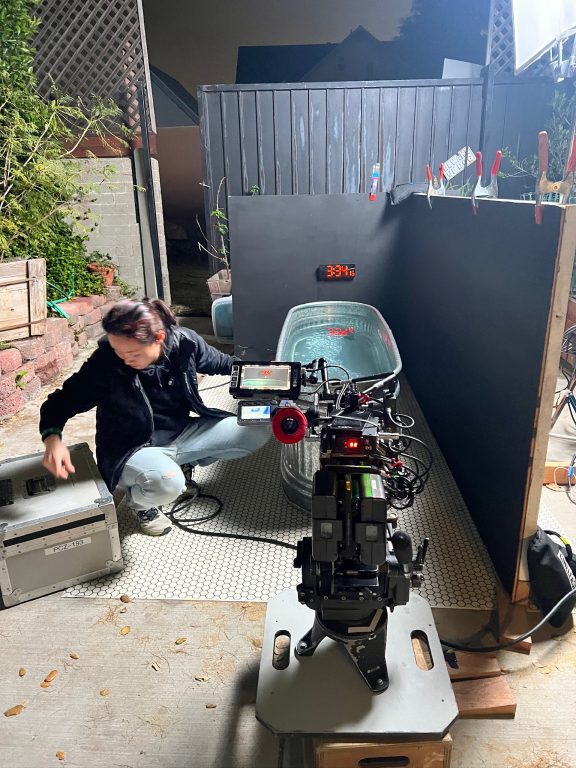
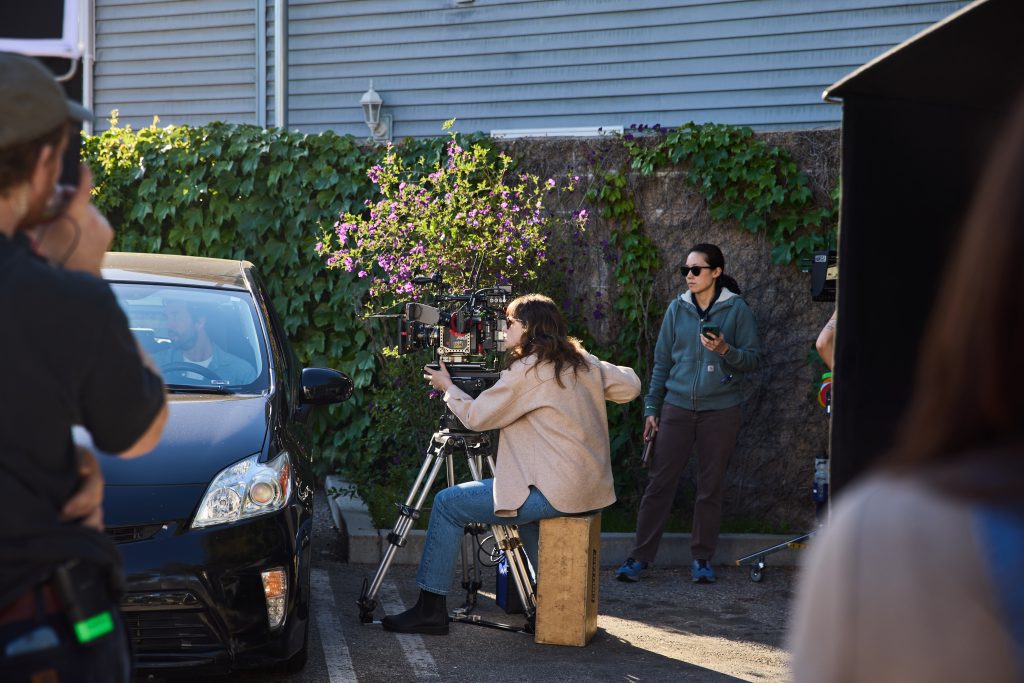
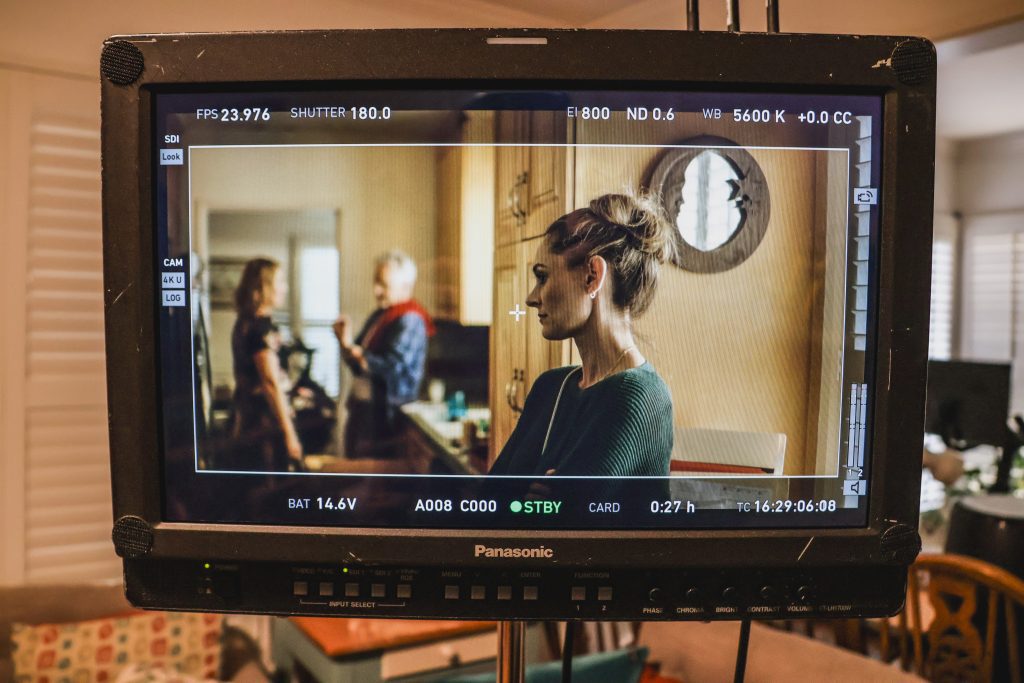
On SMILE…the Worst is Yet to Come, women held several key crew positions, including director of photography, assistant director, assistant camera, and production designer. Lenihan said she wanted everyone on set to feel cared for, heard, and part of the process.
That spirit of collaboration extended beyond the work itself. During the Big Bear portion of filming, the crew stayed in a lakefront house and spent time together off set, building relationships that lasted beyond production. Two crew members even met on the film, later married, and sent Lenihan a photo of their rings engraved with the word “Smile.”

Now, the project that began with scrappy determination, Burbank locations, family support, and a deeply bonded indie crew is heading to one of Hollywood’s most legendary theaters. SMILE…the Worst is Yet to Come will have its West Coast premiere at Dances With Films LA at the TCL Chinese Theatre.
“It’s incredibly meaningful because it’s not only the film’s hometown premiere, it’s my hometown premiere,” she said. “As a fifth-generation Californian, lifelong movie lover, and film history nerd, I can’t imagine a more iconic venue than the TCL Chinese Theatre. To screen my first feature in the shadow of so much cinema history is an honor and a privilege.”
The screening also brings Lenihan back to a place tied to her earliest days in the film industry. Her first job out of college was working for producer Graham King, and the first major premiere she attended was The Aviator at the Chinese Theatre. Nearly 20 years later, she will return with a film of her own.
For Lenihan, the premiere is not only a milestone for her, but for everyone who helped bring the film to life. “What makes this moment especially meaningful is that it doesn’t belong to me alone,” she said. “It belongs to the cast, crew, investors, supporters, friends, family members, and everyone who cheered us on when this was just an idea on a page.”
And for those hearing about the film for the first time, Lenihan hopes audiences find something deeply human in the story. “People should come see it because they will walk out feeling a little more seen, and hopefully, a little less alone.”
SMILE…the Worst is Yet to Come screens Friday, June 26 at 9 p.m. as part of Dances With Films LA at the TCL Chinese Theatre and you can get your tickets here!.
Watch the trailer here!