“Bible Pictures Will Change the World.”


That was the bold headline in the Jan. 7, 1920, Glendale Evening News. The story described an ambitious motion-picture company filming a biblical production in Burbank, with plans to bring religious stories to movie audiences.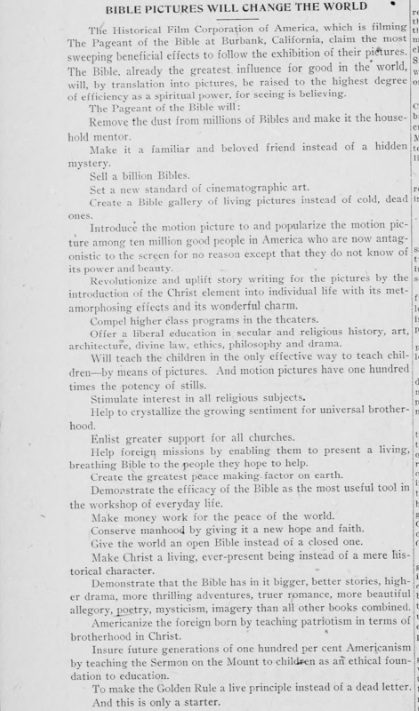
The company was the Historical Film Corporation of America, and its plans were considerably bigger than its name might suggest.
Burbank’s film history is usually associated with Warner Bros. and the major studios that followed. But years before First National Pictures purchased its large Burbank property in 1926, another film company had already made its move.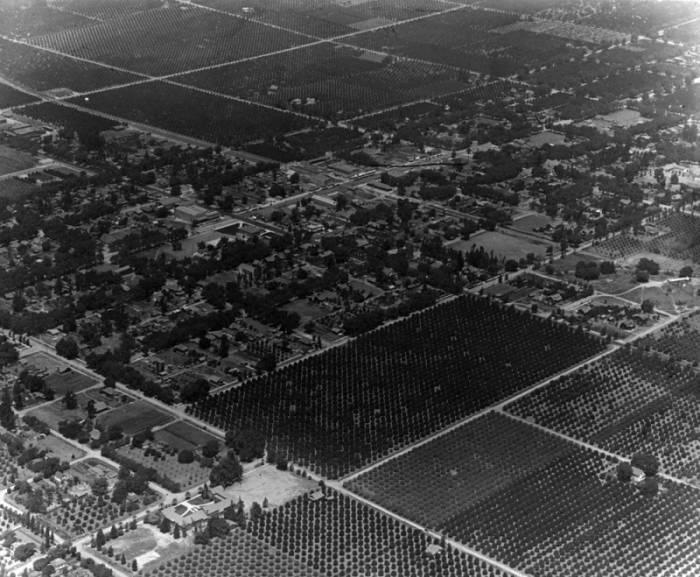
First Motion-Picture Company



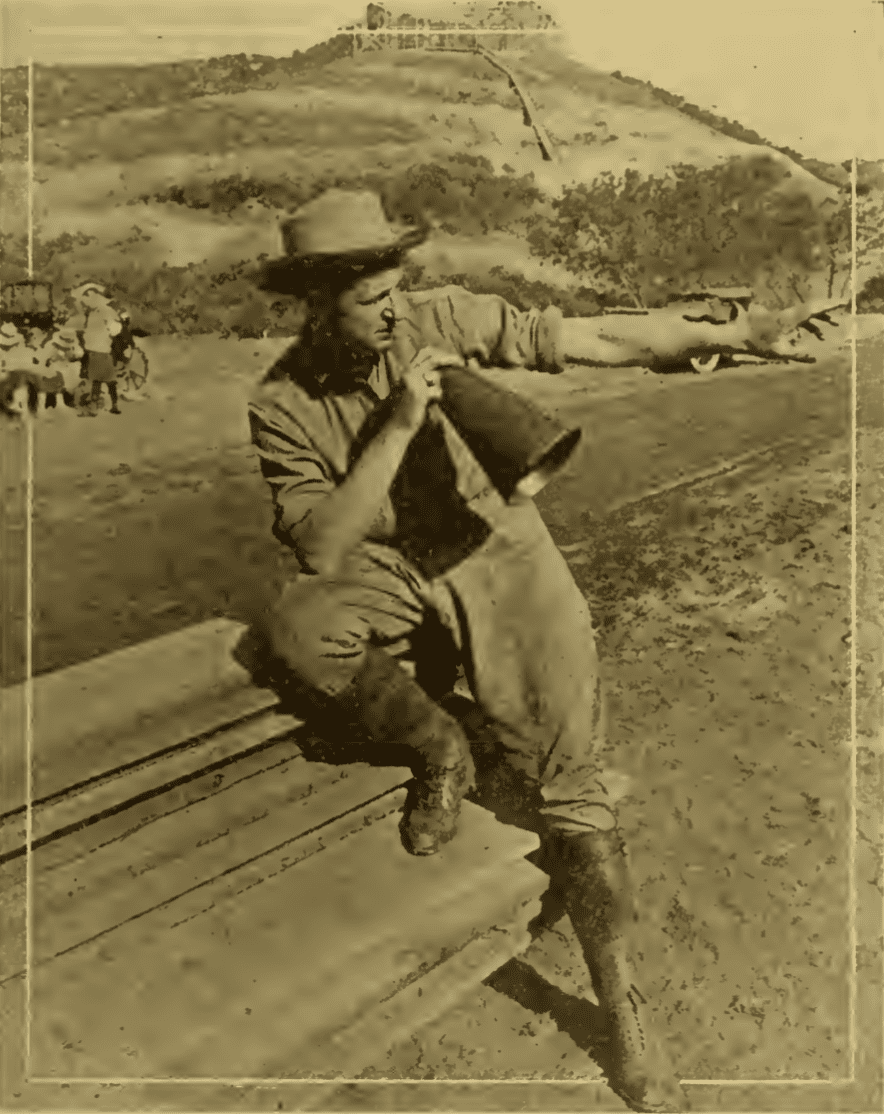
According to the city of Burbank’s historic context report, the Historical Film Corporation of America became the first motion-picture company to establish a studio in the city. On Nov. 11, 1919, the company purchased 25 acres of land, believed to have been in south Burbank. The property included an existing farm, and some of its homes were used as design studios.
The company specialized in Christian-themed films and wanted to bring Bible stories to the screen.
Who was on Board
A Jan. 6, 1920, Glendale Evening News article introduced Dr. Gilbert Ellis Bailey, who was described as a scientific adviser to the company, and director Raymond Wells. Bailey believed Bible films could attract millions of churchgoers who had previously stayed away from motion pictures.
The following day, the newspaper reported that the company was filming The Pageant of the Bible in Burbank. Its promotional language promised that the pictures would bring the Bible into the home and create a new standard for motion-picture art.
Those were ambitious claims for a relatively unknown studio.
But the company’s activities did not stop with the Burbank announcement.
A Letter to Philemon
By May 1920, its president, J.A. McGill, was promoting a motion picture called A Letter to Philemon in Portland, Oregon. The May 28 Oregon Daily Journal announced that the film would be shown before the Oregon Civic League, with McGill and the Rev. Charles W. Holmes scheduled to speak.
Two days later, the Sunday Oregonian reported on the presentation at the Benson Hotel. The film combined the biblical story of Paul’s letter to Philemon with a modern story about a young man who had been released from prison and was seeking forgiveness.
The newspaper described the company’s larger mission as producing films based on Bible stories, but with modern applications and a moral message. It also reported that McGill and his associates had purchased a studio in Los Angeles and assembled directors, cameramen, and a cast of players.
The Portland screening gives us evidence that the company had moved beyond announcements and was presenting films to audiences. But the newspaper accounts do not establish whether A Letter to Philemon was filmed on the Burbank property.
Dead End
And then the trail becomes difficult to follow.
The company had made ambitious announcements, purchased land in Burbank, and promoted its religious films outside California. Yet it never became one of the familiar names in Hollywood history.
What happened to the 25-acre property? Did the company make additional films? Was The Pageant of the Bible ever completed? And does a surviving copy of A Letter to Philemon exist somewhere?
Those questions remain open.
Promise Unfulfilled
Burbank’s movie history is often told through the famous studios that came later. But before the big lots and familiar movie names, a small company arrived with a very different vision of what motion pictures could accomplish.
It promised that Bible pictures would change the world. The story of the company that made that promise has nearly disappeared.