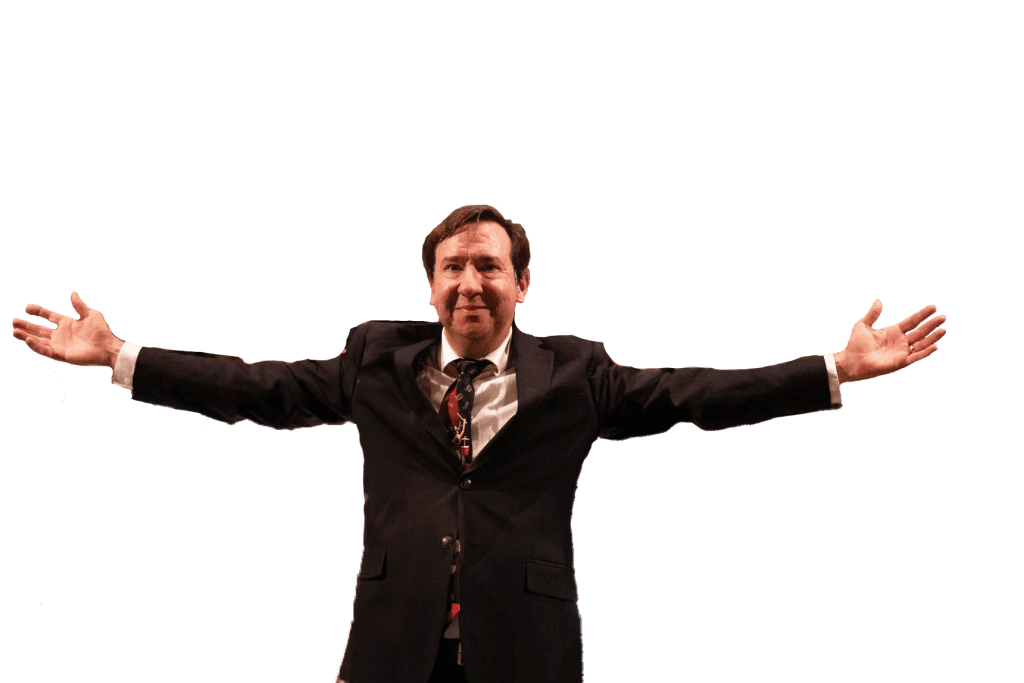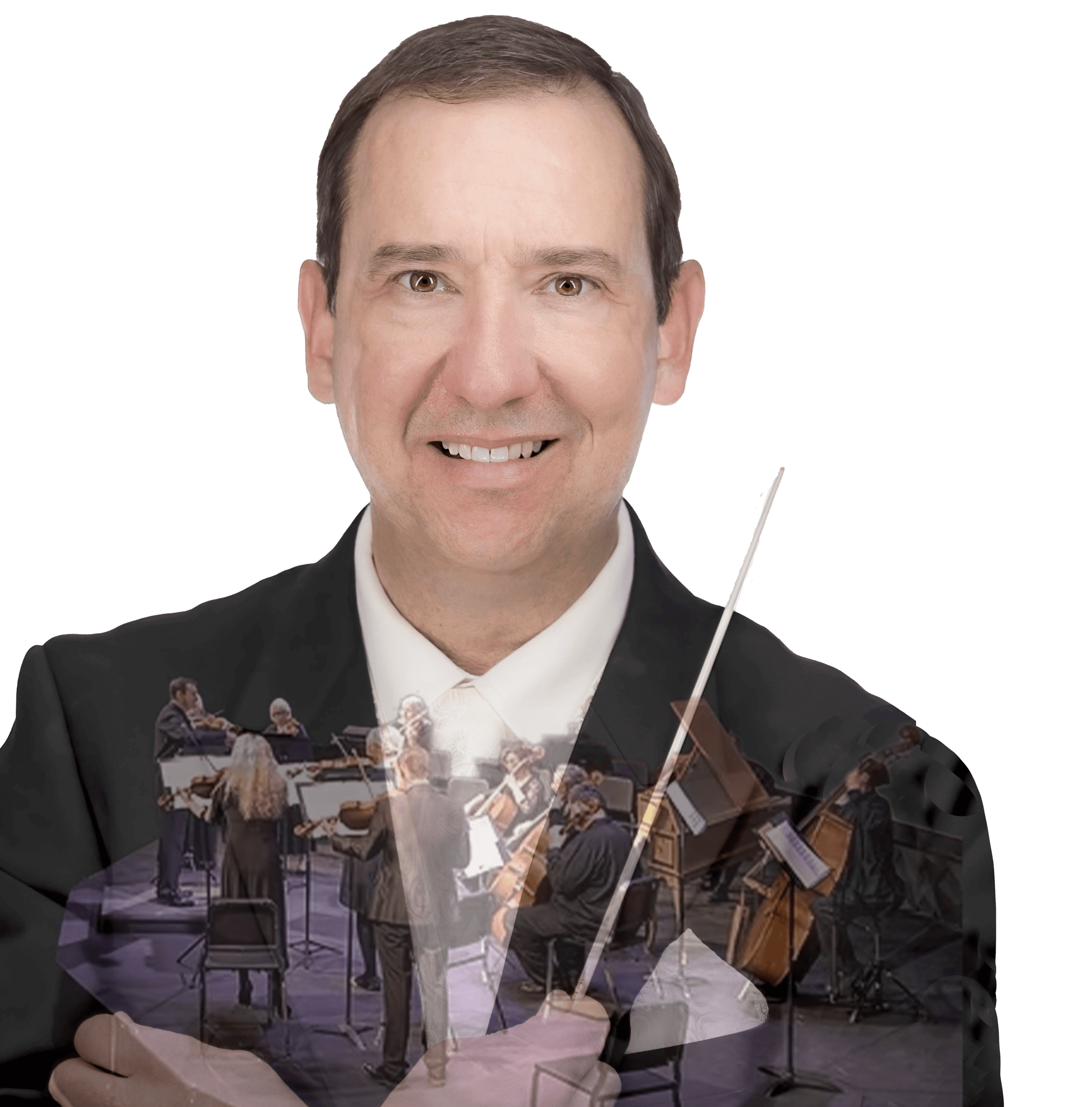
Maestro Mike Stanley, the Burbank Philharmonic, and the invisible art of conducting


“If I’m not adding value, I don’t really have any business being up there.”
What does a conductor actually do?
It’s a question Maestro Mike Stanley hears often—and one he welcomes.



“People ask, ‘If I just go up there and wave my hands, will they play like they do for you? And the answer is yes… and no.”
At first glance, conducting can look deceptively simple. A baton flicks, arms rise and fall, and somehow an entire orchestra breathes
together. But beneath that surface lies something far more complex—something Stanley describes as both technical and deeply intuitive.
“There’s the basic job—keeping time, getting everyone together, But beyond that, it’s about character, emotion, and connection. It’s about adding value. If I’m not adding something meaningful, then I don’t really have any business being up there.”
For Stanley, conducting isn’t just about leading musicians. It’s about shaping sound itself—something he has spent a lifetime learning to do.
From French Horn to the Podium
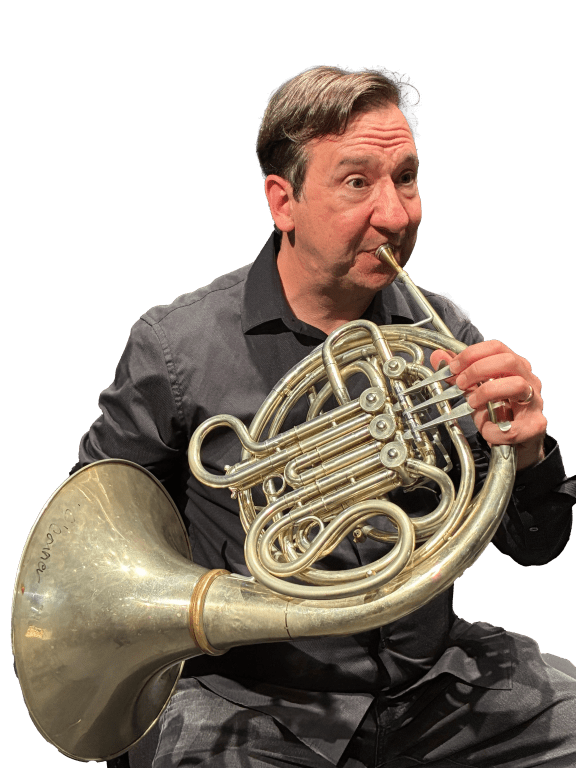
Stanley’s journey into conducting began not with a baton, but with a French horn.
“I started playing in junior high, that was my main instrument.”
By high school, he had his first opportunities to step in front of an ensemble—and something clicked.
“I knew then, that’s what I wanted to do.”
He went on to study at UCLA, where he immersed himself in both performance and leadership. During that time, he took a bold step—forming his own wind ensemble.
“I thought, this is either going to be a huge success or a total failure, but either way, I’ll find out if this is really for me.”
It turned out to be more than a success. The ensemble continued for nearly a decade, performing summer concerts and building a community of dedicated musicians.
At the same time, Stanley honed his skills in one of the most demanding training grounds for any conductor: musical theater.
“Working in pit orchestras is incredible training, you have to follow the singers, adjust constantly, respond in real time. If you can’t do that, you’re not going to survive in that environment.”
Those early experiences laid the foundation for what would become a lifelong pursuit—one that eventually led him to advanced studies in conducting and, ultimately, to the podiums of Burbank’s most prominent musical institutions.
The Invisible Craft
To understand Stanley’s approach, you have to look beyond the visible gestures.
Yes, there are patterns—beats, cues, signals. But the true art of conducting lies in something less tangible.
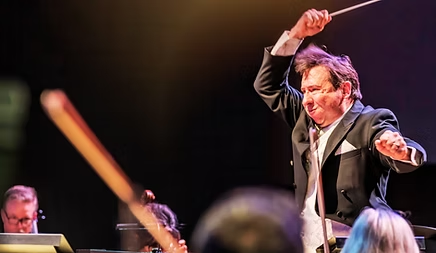
“It’s about showing the music in your body, in your face. Giving the musicians a sense of what it should feel like.”
A conductor’s gesture can nudge an orchestra forward or hold it back. A lifted motion can create urgency; a grounded one can bring calm.
“If I want them to move ahead, I give them that energy, If I want them to slow down, I pull in. It’s a constant conversation.”
But perhaps the most intriguing aspect of Stanley’s philosophy is what he calls “touching the sound.”
Inspired in part by legendary conductor Gustavo Dudamel and the teachings of El Sistema founder Antonio Abreu, Stanley describes a sensation that borders on the mystical.
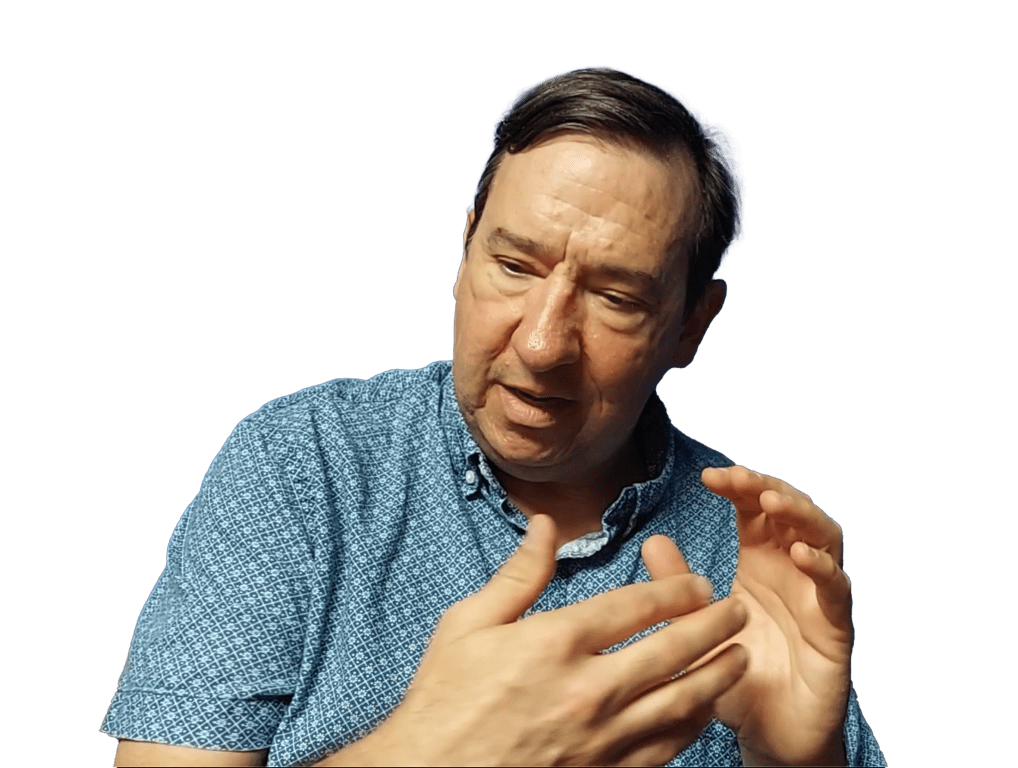
“You can actually feel the sound, in the palm of your hand.”
It’s not metaphorical. For Stanley, it’s physical.
“I can feel the energy of the sound waves coming at me, and I can shape it—redirect it, push it, guide it.”
It’s an idea that may sound abstract, even improbable. But for those who have experienced music at its highest level, it rings true.
“It doesn’t logically make sense, but it’s real.”
A Language of Instruments
Part of Stanley’s effectiveness comes from his deep understanding of the instruments themselves.
As a trained French horn player, he understands the mechanics of wind instruments—the breath, the articulation, the precision required. He also studied viola, giving him insight into the physicality of string playing.
“Each section needs something different, for winds, it’s more vertical—clear points of attack. For strings, it’s more horizontal, because that’s how the bow moves.”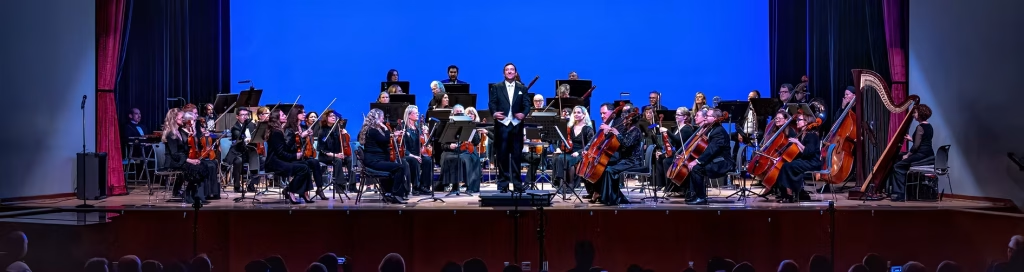
That sensitivity allows him to communicate with musicians in a way that feels natural and intuitive.
“It’s about speaking their language,”
And like any language, fluency comes with time, experience, and listening.
A Century of Sound in Burbank
As Music Director of the Burbank Philharmonic, Stanley is not just leading an orchestra—he’s stewarding a legacy that stretches back nearly a century.
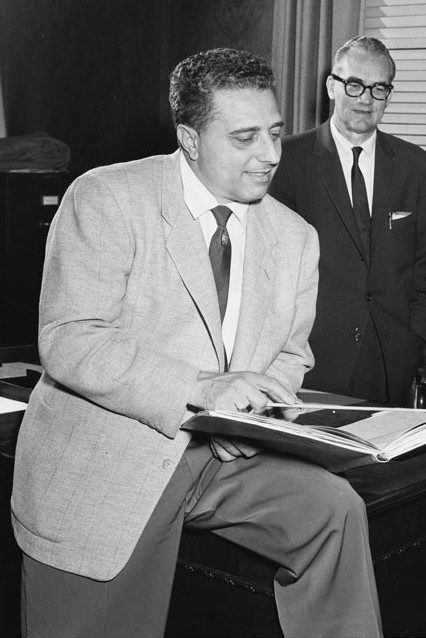
Few residents realize that Burbank’s orchestral roots date to the 1920s, when a community orchestra and choral society first took shape. Over the decades, the ensemble evolved, eventually becoming the Burbank Philharmonic we know today.
One pivotal figure was Leo Damiani, a Juilliard-trained violinist who elevated the orchestra in the 1940s by bringing in professional studio musicians.
“He really raised the level,”
But the orchestra’s history hasn’t been without challenges. In the early 1990s, a division over whether to charge admission led to a split. One group remained committed to free concerts, forming what would eventually become the modern Philharmonic.
Today, that commitment to accessibility remains central to the Philharmonic’s mission.
Music Without Barriers
In an era where live performance often comes with a hefty price tag, the Burbank Philharmonic stands apart.
“All of our concerts are free,”
It’s a decision rooted in inclusivity—but one that comes with its own challenges.
“There’s a perception sometimes that if it’s free, it might not be high quality,” but we’re a professional orchestra. Our musicians are union players. This is top-level performance.”
For Stanley, the goal is simple: bring world-class music to the community without barriers.
“We don’t want people to feel like they have to go downtown to hear great music, they can have it right here in Burbank.”
That mission extends beyond performance. It’s about building connection—between musicians, audience members, and the city itself.
The Power of Connection
Ask Stanley what he loves most about his work, and his answer comes quickly.
“The music—and the people.”
For him, conducting is as much about relationships as it is about sound. That sense of connection translates directly into performance.
“When people feel connected, they play better,”
It also extends to the audience.
“One of my favorite moments is after a concert, when someone comes up and says, ‘That lifted me. I feel better than when I came in.’”
He recalls a recent performance where a listener recognized a melody tied to a childhood memory.
“She said it reminded her of her grandmother, that’s what this is about—creating those moments.”
Moments where music transcends notes and becomes something deeply personal.
A Vision for the Future
Looking ahead, Stanley sees enormous potential for the arts in Burbank. But he also sees opportunities for growth—particularly in infrastructure.
“It’s surprising to me that a city as arts-focused as Burbank doesn’t have a dedicated performing arts center,”
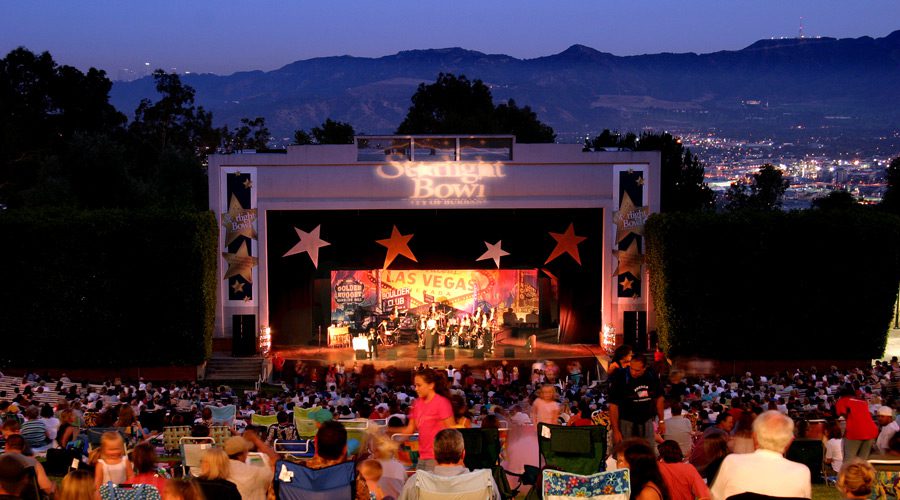
His vision includes a shared venue—an 800- to 1,000-seat hall that could serve music, theater, dance, and more. He’s also excited about the future of the Starlight Bowl, which he hopes will once again host Philharmonic performances.
“I’d love to do Fourth of July concerts, movie nights, pops concerts,bring more people in.”
At the same time, he’s working to expand the Philharmonic’s reach—more concerts, greater visibility, and stronger community engagement.
“I want every concert to be standing room only,”
Beyond the Podium
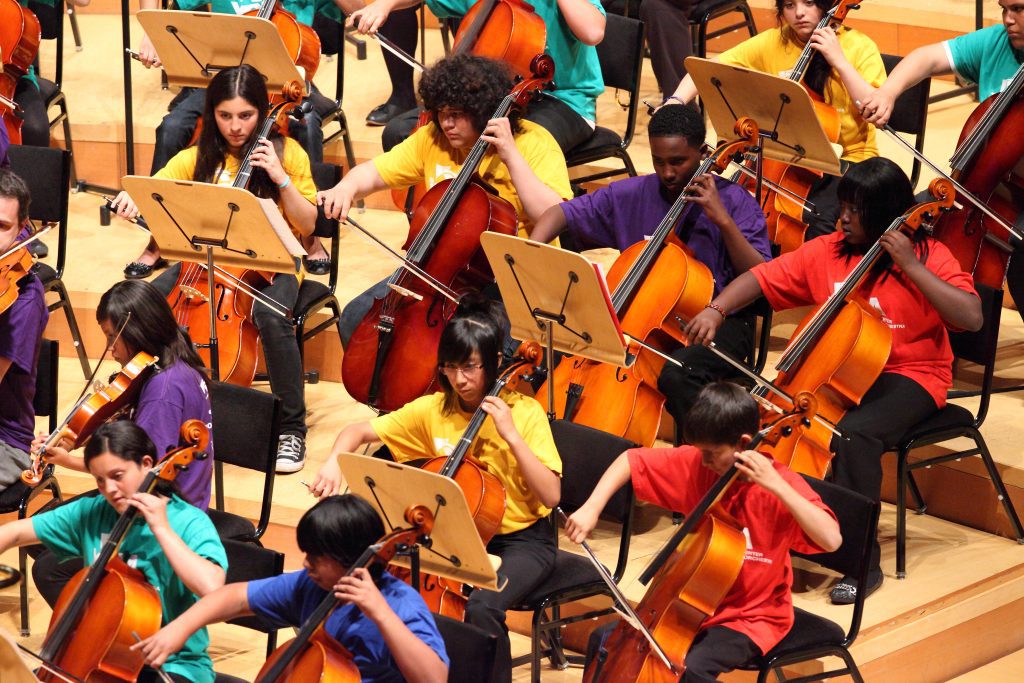
Stanley’s work extends beyond Burbank.
He is also a conductor with the Los Angeles Philharmonic’s YOLA (Youth Orchestra Los Angeles) program, which provides music education to under-served communities.
The program, inspired by Venezuela’s El Sistema, has produced world-class musicians—including Gustavo Dudamel himself.
“To be part of that is really special,”
He also has ambitions in recording and studio work, with hopes of eventually producing a professional album with the Burbank Philharmonic.
“I want to keep growing, and bring that growth back to Burbank.”
The Moment That Matters
For all the history, the ambition, and the technical mastery, Stanley returns again and again to a single idea: presence.
“There are moments in music where time just disappears.”
He describes conducting a Brahms concerto, feeling completely immersed—connected to the soloist, the orchestra, the audience.
“It felt like it lasted a second, even though it was thirty minutes.”
That, he believes, is the essence of music. Not perfection. Not precision. But connection.
“It doesn’t have to be perfect to move people, if they leave feeling uplifted, that’s what matters.”
Carrying the Baton Forward
In the end, Stanley sees himself as part of a continuum—one conductor in a long line, entrusted with carrying the music forward.
“When I pass the baton to someone else, I want to leave it better than I found it.”
It’s a philosophy that mirrors the very nature of conducting itself: guiding, shaping, and ultimately letting go.
And somewhere in that exchange—between gesture and sound, between musician and audience—something intangible takes shape.
Something you might even be able to feel.
Right in the palm of your hand.